
Automation Requires More Than Just a Robot: How Jesma Laid the Groundwork in Business Central
“Since we automated our warehouse, we’ve had much less shrinkage.”
– Palle Serup, CEO, Jesma

– Palle Serup, CEO, Jesma
Many manufacturing companies dream of greater automation. But before robots, automated warehouses, and AI can create value, a solid digital foundation is required.
Jesma, which manufactures weighing and dosing systems for customers in the feed, pharmaceutical, and defense industries, among others, learned this firsthand. Here, even small errors in warehouse and production processes can have major consequences later in the value chain.
The company therefore wanted to create more reliable processes, reduce picking errors, and improve warehouse efficiency.
When thousands of components are involved in production, it is crucial that the right parts move forward in the process.
The wrong component can lead to additional troubleshooting, delays, and, in the worst case, a finished machine that does not function as expected.
At the same time, Jesma wanted to make better use of its warehouse space and streamline workflows without compromising on quality and traceability.
To automate the warehouse, Jesma chose to integrate it closely with the company’s Business Central solution.
This became the focal point for the processes and data on which the new warehouse solution would be built.
In collaboration with Vektus, Business Central was integrated with a 10-meter-high automated warehouse, enabling the ERP system to automatically control which components are retrieved for production.
As a result, manual warehouse operations were replaced by an automated process in which the systems work together to ensure that the right items are delivered at the right time.
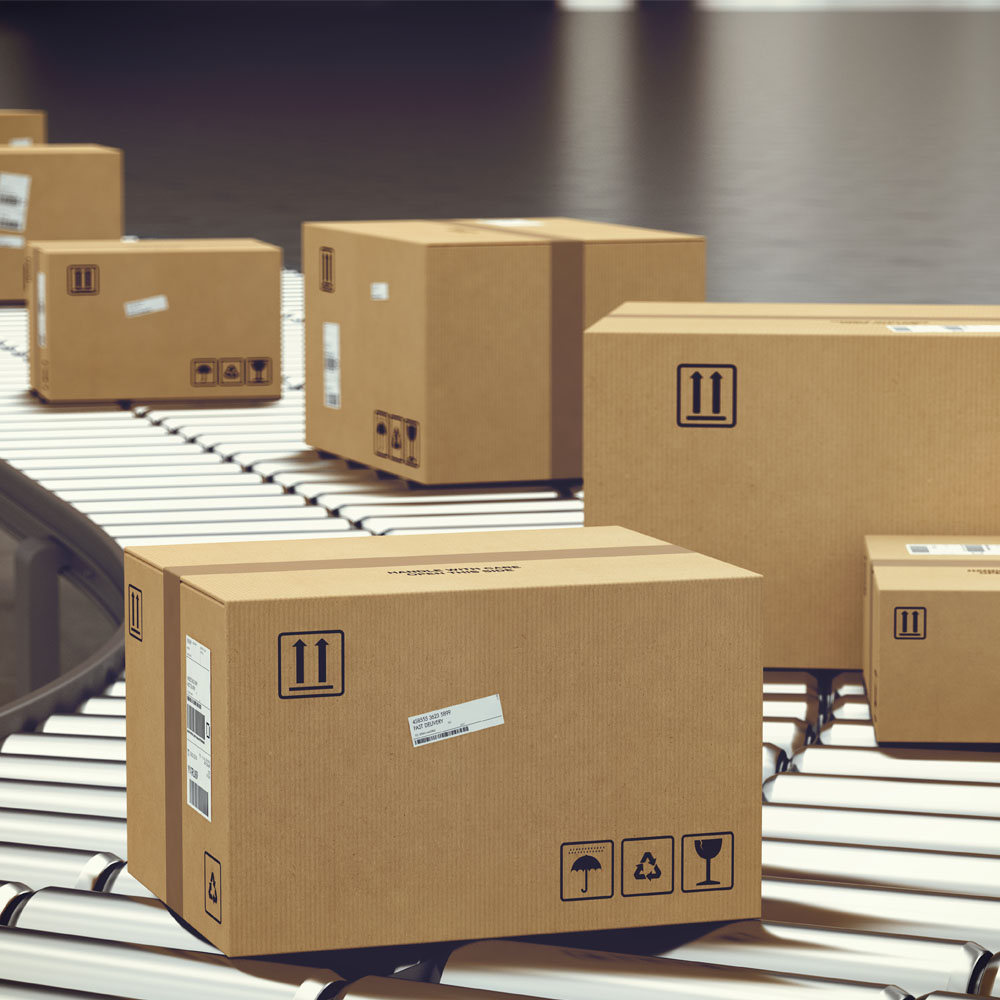
*Model photo
For Jesma, automation is first and foremost about gaining more control over the warehouse and achieving greater precision in daily processes. When goods are picked for production, there is less risk of errors, and Jesma has also seen a positive trend in warehouse shrinkage.
Employees also no longer have to spend time walking between racks and shelves to find components.
Business Central forwards information to the automated warehouse system, which automatically locates and dispatches the necessary items. This creates a more efficient and consistent workflow
The automated warehouse system has also made it possible to condense approximately 400 m² of traditional warehouse space into a significantly smaller area.
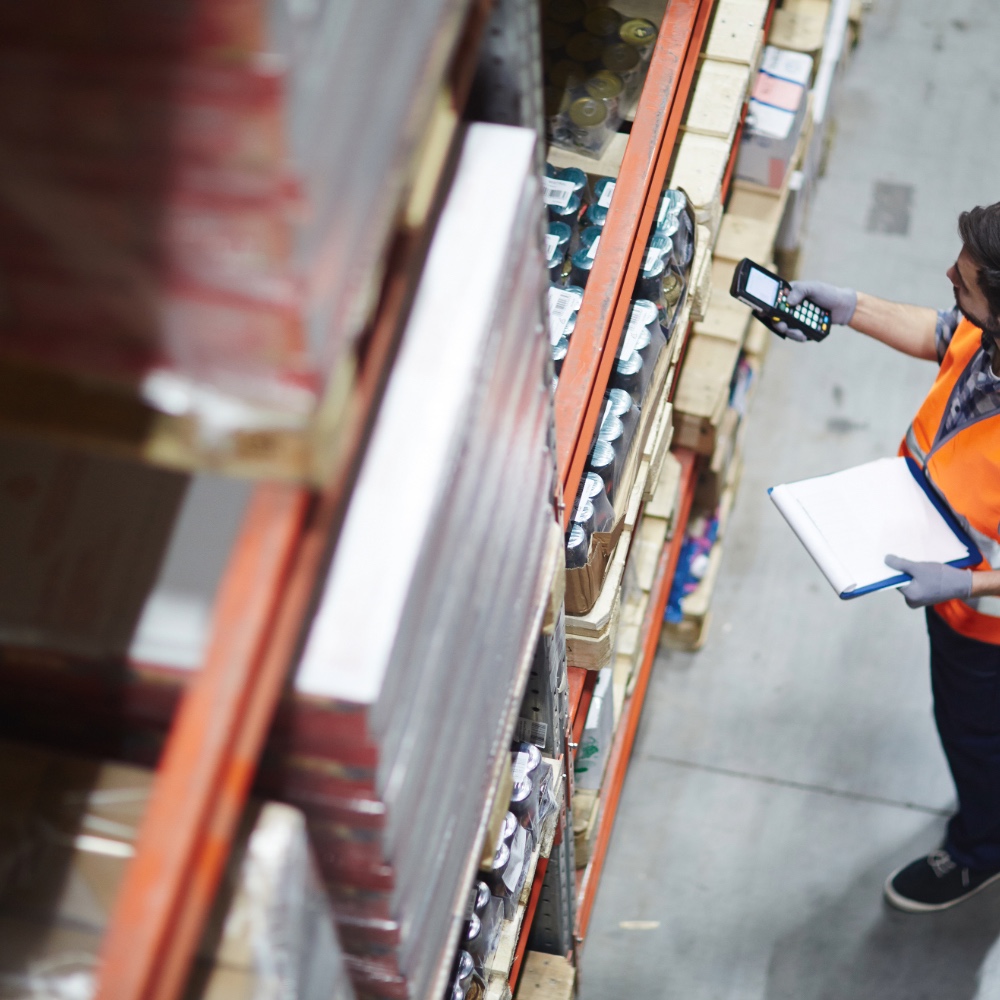
*Model photo
Many companies have legacy systems and fragmented data, which make it difficult to implement automation.
That’s why successful automation projects are rarely just about the new technology. They are at least as much about having a modern ERP system and a data foundation on which the technology can build.
At Jesma, Business Central became the foundation that made it possible to link warehouse automation directly to the business and create value in day-to-day operations.
The automation of the warehouse was the result of a close collaboration between Jesma and Vektus.
While Jesma contributed deep insight into the processes and production, Vektus provided consulting on Business Central, integration, and digitization. Together, we created a solution that not only automates the warehouse but also supports the company’s continued growth.

 Blue Logistics Customer Case Study

